
Digestive problems are among the most common health concerns people experience. Occasional acidity, bloating, or stomach discomfort may not seem serious, but when symptoms become frequent or persistent, they can indicate an underlying gastrointestinal condition that requires medical attention.
Many people ignore digestive symptoms for months or even years, assuming they will improve on their own. Unfortunately, delaying treatment can sometimes allow conditions such as ulcers, inflammatory bowel disease, liver disorders, gallstones, pancreatitis, or gastrointestinal cancers to progress.
A gastroenterologist specializes in diagnosing and treating diseases affecting the digestive system, including the esophagus, stomach, intestines, liver, gallbladder, pancreas, and bile ducts. Seeking timely medical care can help prevent complications and improve long-term health outcomes.
In this article, we will discuss when you should visit a gastroenterologist, the warning signs to watch for, and how early diagnosis can make a significant difference in treatment success.
Table of Contents
- What Does a Gastroenterologist Do?
- Why Digestive Symptoms Should Not Be Ignored
- When Should You Visit a Gastroenterologist?
- Common Conditions Treated by a Gastroenterologist
- When Digestive Symptoms Become an Emergency
- Benefits of Early Consultation
- How to Prepare for Your Appointment
- Frequently Asked Questions
- Key Takeaways
- Conclusion
What Does a Gastroenterologist Do?
A gastroenterologist is a specialist trained to diagnose and manage disorders of the digestive system. These specialists evaluate symptoms, perform diagnostic procedures, and create personalized treatment plans.
They commonly treat conditions involving:
- Acid reflux (GERD)
- Gastritis
- Peptic ulcers
- Irritable bowel syndrome (IBS)
- Inflammatory bowel disease (IBD)
- Fatty liver disease
- Hepatitis
- Gallstones
- Pancreatitis
- Digestive cancers
- Bile duct disorders
A Gastro Doctor in Ranchi can also perform advanced procedures such as endoscopy, colonoscopy, and ERCP to diagnose and treat complex digestive conditions.
Why Digestive Symptoms Should Not Be Ignored
Many digestive disorders begin with mild symptoms. What appears to be simple indigestion may eventually develop into a more serious condition.

Consider a patient who experiences acidity several times a week. They may continue taking over-the-counter medications for months. However, persistent reflux can damage the food pipe and increase the risk of complications if left untreated.
Similarly, recurrent abdominal pain could be linked to gallstones, ulcers, pancreatitis, or inflammatory bowel disease.
Early evaluation helps identify the root cause and allows treatment before complications develop.
When Should You Visit a Gastroenterologist?
Persistent Acidity or Heartburn
Occasional heartburn after a heavy meal is common. However, if you experience:
- Heartburn more than twice a week
- Difficulty swallowing
- Chronic acid reflux
- Chest discomfort after meals
you should seek medical advice.
These symptoms may indicate Gastroesophageal Reflux Disease (GERD), which requires proper management.
Frequent Abdominal Pain
Persistent abdominal pain should never be ignored.
Consult a specialist if you experience:
- Recurrent stomach pain
- Severe abdominal cramps
- Pain after eating
- Pain accompanied by vomiting or fever
Abdominal pain can result from ulcers, gallstones, liver disease, pancreatitis, or intestinal disorders.
Chronic Bloating and Gas
Everyone experiences occasional bloating. However, frequent bloating may signal:
- Food intolerance
- IBS
- Celiac disease
- Digestive infections
- Gut inflammation
If bloating affects your daily life or continues for several weeks, evaluation is recommended.
Changes in Bowel Habits
A noticeable change in bowel movements may indicate digestive disease.
Watch for:
- Chronic constipation
- Persistent diarrhea
- Alternating constipation and diarrhea
- Urgent bowel movements
- Incomplete evacuation
These symptoms may be associated with IBS, IBD, infections, or colorectal conditions.
Blood in Stool
Blood in stool should always be evaluated by a specialist.
Possible causes include:
- Hemorrhoids
- Anal fissures
- Polyps
- Ulcers
- Inflammatory bowel disease
- Colorectal cancer
Early diagnosis is essential for proper treatment.
Unexplained Weight Loss
Unexpected weight loss without dieting or increased exercise may indicate:
- Digestive disorders
- Malabsorption
- Chronic infections
- Pancreatic disease
- Cancer
A gastroenterologist can identify the underlying cause through appropriate testing.
Difficulty Swallowing
If food frequently gets stuck while swallowing or causes discomfort, medical evaluation is necessary.
Possible causes include:
- Acid reflux damage
- Esophageal narrowing
- Esophageal motility disorders
- Growths or tumors
Prompt assessment helps prevent complications.
Persistent Nausea and Vomiting
Occasional nausea is common. However, ongoing symptoms may indicate:
- Gastritis
- Ulcers
- Gallbladder disease
- Pancreatic disorders
- Intestinal blockage
Medical attention should not be delayed if symptoms persist.
Liver-Related Symptoms
The liver performs hundreds of vital functions. A Liver Specialist in Ranchi should be consulted if you experience:
- Jaundice
- Fatigue
- Dark urine
- Swelling of the abdomen
- Loss of appetite
- Elevated liver enzymes
Early treatment can help prevent long-term liver damage.
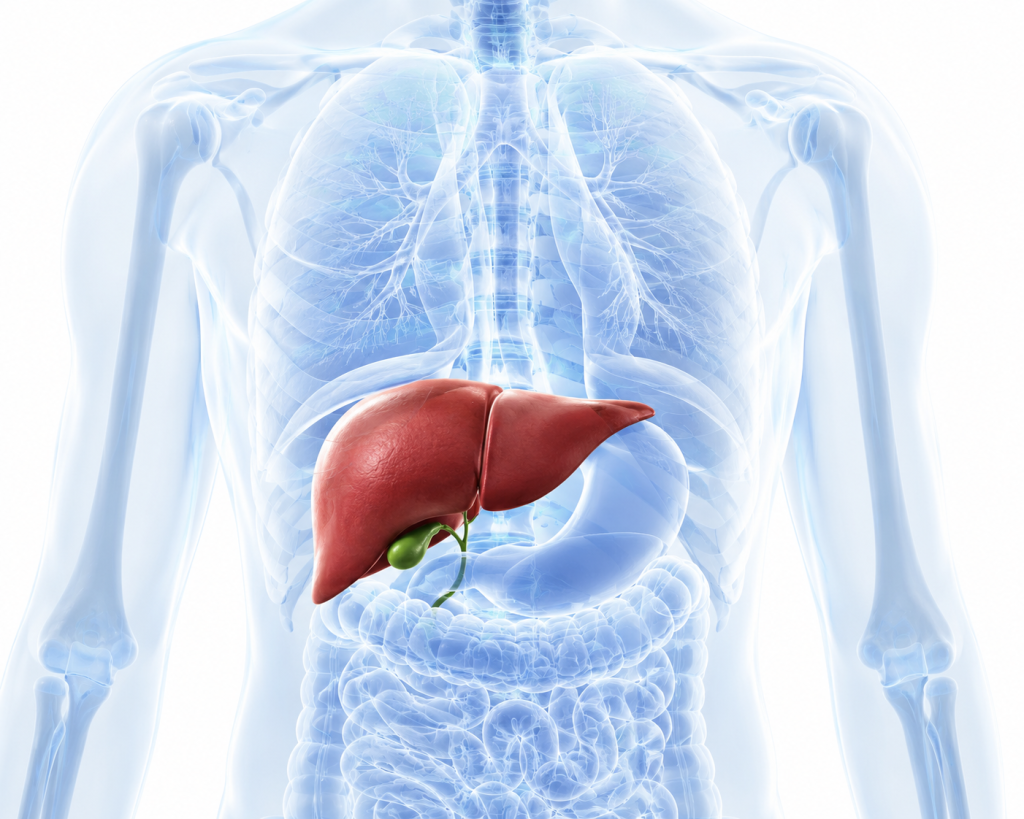
Gallbladder and Bile Duct Problems
Symptoms that may indicate gallstones or bile duct obstruction include:
- Right upper abdominal pain
- Jaundice
- Fever
- Nausea
- Vomiting
In some cases, an ERCP procedure may be required. An ERCP Specialist in Ranchi can diagnose and treat bile duct blockages using advanced endoscopic techniques.
Common Conditions Treated by a Gastroenterologist
Some of the most common conditions include:
Stomach Disorders
- Gastritis
- Peptic ulcers
- GERD
Intestinal Disorders
- IBS
- Crohn’s disease
- Ulcerative colitis
Liver Disorders
- Fatty liver disease
- Hepatitis
- Cirrhosis
Pancreatic Disorders
- Acute pancreatitis
- Chronic pancreatitis
Gallbladder Disorders
- Gallstones
- Bile duct stones
When Digestive Symptoms Become an Emergency
Seek immediate medical attention if you experience:
- Severe abdominal pain
- Vomiting blood
- Black tarry stools
- Sudden jaundice
- Difficulty swallowing liquids
- Persistent vomiting
- Severe dehydration
Emergency treatment may be necessary to prevent serious complications.
Benefits of Early Consultation

Visiting a Digestive Health Expert in Ranchi at the right time offers several advantages:
- Early diagnosis
- Better treatment outcomes
- Prevention of complications
- Reduced treatment costs
- Improved quality of life
- Faster recovery
Many gastrointestinal diseases respond well when detected early.
How to Prepare for Your Appointment
Before your consultation:
- Note your symptoms
- Record their duration
- List current medications
- Carry previous reports
- Mention family history of digestive diseases
Providing accurate information helps your doctor make a timely diagnosis.
Frequently Asked Questions
1. What symptoms require a gastroenterologist visit?
Persistent acidity, abdominal pain, bloating, constipation, diarrhea, jaundice, blood in stool, and unexplained weight loss should be evaluated.
2. Can a gastroenterologist treat liver diseases?
Yes. Gastroenterologists and hepatologists manage fatty liver disease, hepatitis, cirrhosis, and other liver conditions.
3. When should I worry about acid reflux?
If reflux occurs more than twice weekly or affects your quality of life, consultation is recommended.
4. Is bloating always a sign of a serious disease?
Not necessarily. However, persistent or worsening bloating should be assessed to identify potential digestive disorders.
5. What is ERCP?
ERCP is an advanced procedure used to diagnose and treat problems involving the bile ducts, gallbladder, and pancreas.
6. Can digestive disorders cause weight loss?
Yes. Conditions affecting digestion and nutrient absorption can result in unexplained weight loss.
7. Do I need a referral to see a gastroenterologist?
In many cases, patients can directly schedule an appointment with a gastroenterology specialist.
Key Takeaways
- Persistent digestive symptoms should never be ignored.
- Heartburn, abdominal pain, bloating, and bowel changes warrant medical evaluation.
- Liver-related symptoms require prompt attention.
- Blood in stool and unexplained weight loss should always be investigated.
- Early diagnosis improves treatment outcomes.
- Advanced procedures such as endoscopy and ERCP help diagnose complex digestive disorders.
Dr. Chandan Kumar Yadav is a renowned Gastroenterologist, Hepatologist, and ERCP Specialist in Ranchi with expertise in diagnosing and treating digestive, liver, pancreas, and biliary disorders.
Conclusion
Digestive health plays a crucial role in overall well-being. While occasional stomach discomfort may not be serious, persistent symptoms should never be overlooked. Conditions affecting the stomach, intestines, liver, pancreas, and gallbladder often begin with subtle warning signs that gradually worsen over time.
Seeking medical attention at the right time can help identify problems early, reduce complications, and improve treatment outcomes. Whether you are dealing with chronic acidity, abdominal pain, jaundice, or unexplained digestive issues, consulting the Best Gastroenterologist in Ranchi can provide clarity and effective treatment.
Schedule Your Consultation
If you are experiencing digestive problems, liver disorders, abdominal pain, acidity, jaundice, gallbladder stones, or require ERCP consultation, schedule an appointment with Dr. Chandan Kumar Yadav, one of the leading Gastroenterologists and ERCP Specialists in Ranchi.
