
The liver is one of the most important organs in the human body. It performs hundreds of vital functions, including filtering toxins from the blood, aiding digestion, storing nutrients, and helping the body fight infections. Despite its crucial role, liver disease often develops silently, with symptoms appearing only when significant damage has already occurred.
Many people ignore the early signs of liver disease because they can be subtle and easily mistaken for everyday health issues such as fatigue, indigestion, or poor appetite. Recognizing these warning signs early can make a significant difference in preventing complications and improving treatment outcomes.
Whether caused by fatty liver disease, hepatitis, alcohol-related liver damage, infections, or other medical conditions, liver disease should never be overlooked. Understanding the symptoms and seeking timely medical attention can help protect your liver health.
In this article, we discuss the most common early signs of liver disease, possible causes, risk factors, and when to consult a healthcare professional.
Table of Contents
- What Is Liver Disease?
- Why Early Detection Matters
- Common Early Signs of Liver Disease
- Causes and Risk Factors
- When Should You See a Doctor?
- How Liver Disease Is Diagnosed
- Tips to Keep Your Liver Healthy
- Frequently Asked Questions
- Key Takeaways
- Conclusion
What Is Liver Disease?
Liver disease refers to any condition that affects the structure or function of the liver. It may develop gradually over months or years and can range from mild inflammation to severe liver damage.
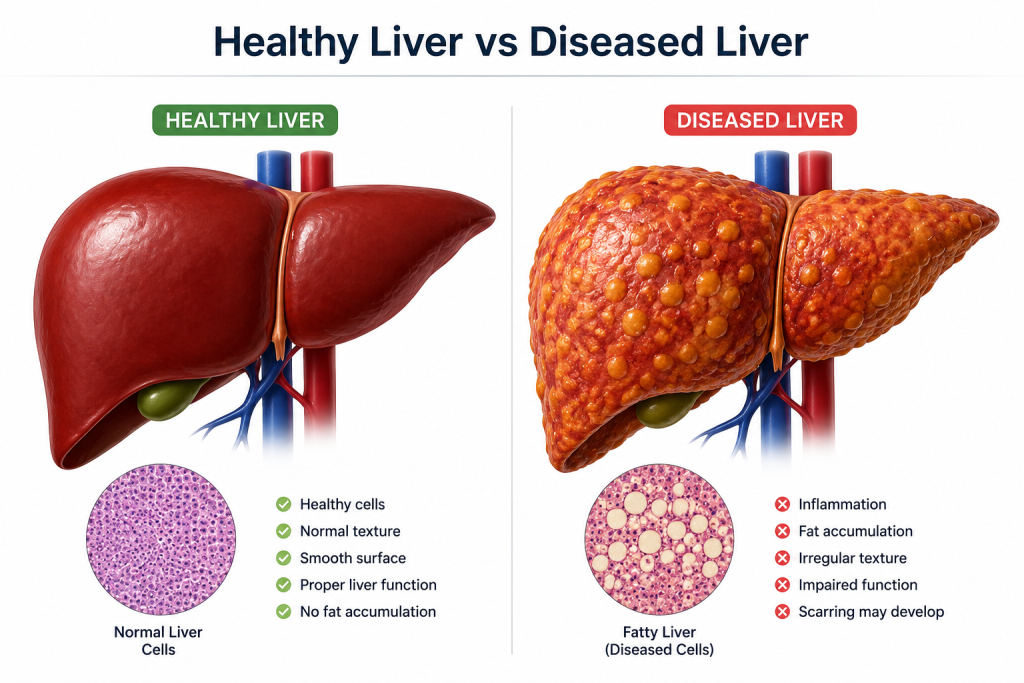
Common liver conditions include:
- Fatty Liver Disease
- Alcohol-Related Liver Disease
- Hepatitis B and Hepatitis C
- Liver Cirrhosis
- Autoimmune Liver Disease
- Liver Cancer
- Bile Duct Disorders
The good news is that many liver conditions can be managed effectively when detected early.
Why Early Detection Matters
The liver has an impressive ability to repair itself. However, prolonged damage can lead to scarring known as cirrhosis, which may become irreversible.
Early diagnosis allows doctors to:
- Identify the underlying cause
- Prevent disease progression
- Reduce complications
- Improve quality of life
- Lower the risk of liver failure
This is why paying attention to early symptoms is essential.
Common Early Signs of Liver Disease
1. Persistent Fatigue and Weakness
Feeling tired occasionally is normal. However, ongoing fatigue that does not improve with rest may be one of the earliest signs of liver disease.
Many patients describe:
- Low energy levels
- Lack of motivation
- Difficulty concentrating
- Feeling exhausted throughout the day
For example, a person who previously enjoyed daily walks may suddenly feel drained after minimal activity.
2. Loss of Appetite
The liver plays a key role in digestion and metabolism. When liver function becomes impaired, appetite often decreases.
You may notice:
- Reduced interest in food
- Feeling full quickly
- Skipping meals unintentionally
If poor appetite persists for several weeks, medical evaluation is recommended.
3. Unexplained Weight Loss
Unintentional weight loss can be a warning sign of various health conditions, including liver disease.
Weight loss may occur because:
- Appetite decreases
- Nutrient absorption becomes affected
- The body’s metabolism changes
Sudden or ongoing weight loss should never be ignored.
4. Nausea and Digestive Discomfort
Many people with early liver problems experience digestive symptoms such as:
- Nausea
- Bloating
- Indigestion
- Stomach discomfort
These symptoms may come and go, making them easy to overlook.
5. Pain or Discomfort in the Upper Right Abdomen
The liver is located on the upper right side of the abdomen.
Some individuals experience:
- Mild aching
- Pressure sensation
- Dull discomfort beneath the ribs
Although not always severe, persistent discomfort warrants medical attention.
6. Yellowing of the Skin and Eyes (Jaundice)
Jaundice occurs when bilirubin levels increase in the bloodstream.
Signs include:
- Yellow eyes
- Yellow skin
- Dark urine
- Pale stools
Jaundice is one of the most recognizable signs of liver dysfunction and requires prompt evaluation.
7. Dark-Colored Urine
Urine that appears dark brown or tea-colored despite adequate hydration may indicate liver problems.
This occurs when excess bilirubin is excreted through the urine.
8. Itchy Skin
Persistent itching without an obvious skin condition can sometimes be linked to liver disease.
The itching may:
- Affect the entire body
- Become worse at night
- Continue despite using moisturizers
This symptom is often associated with bile flow abnormalities.
9. Swelling in the Legs and Ankles
As liver function declines, fluid retention may develop.
Common signs include:
- Swollen feet
- Puffy ankles
- Tight-fitting shoes by evening
This occurs because the liver struggles to maintain normal fluid balance.
10. Easy Bruising and Bleeding
The liver produces proteins that help blood clot properly.
Liver damage may lead to:
- Frequent nosebleeds
- Easy bruising
- Prolonged bleeding after minor injuries
These symptoms should be assessed by a healthcare provider.
11. Mental Confusion or Difficulty Concentrating
Advanced liver dysfunction may allow toxins to build up in the bloodstream.
Symptoms can include:
- Forgetfulness
- Difficulty concentrating
- Mood changes
- Confusion
Although less common in early stages, these symptoms require urgent medical attention.
Causes and Risk Factors
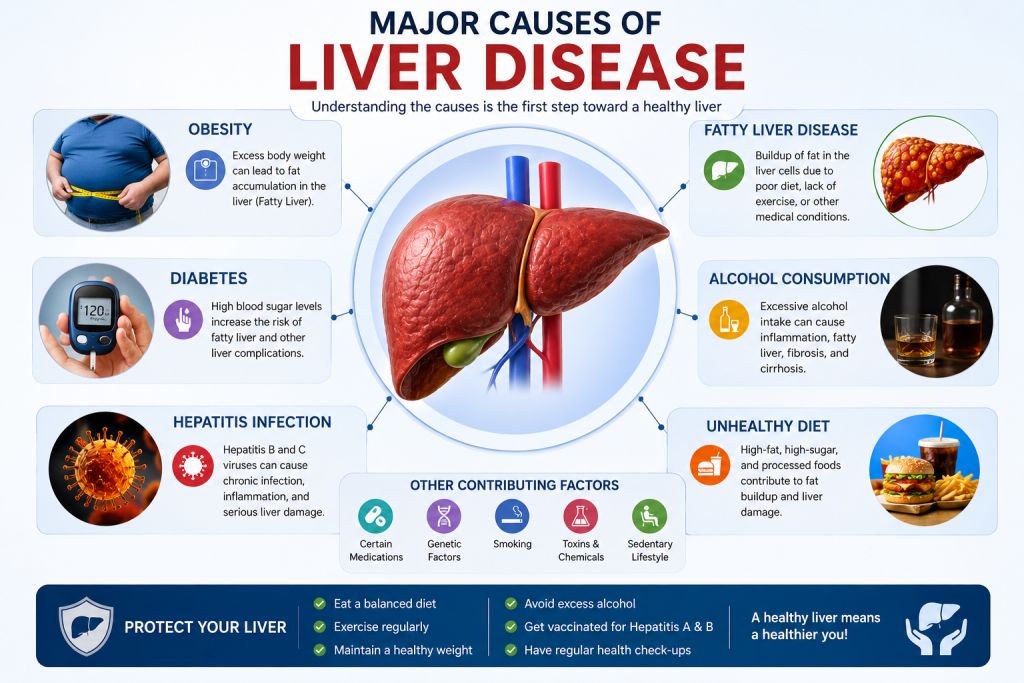
Several factors increase the risk of developing liver disease.
Fatty Liver Disease
- Obesity
- Diabetes
- High cholesterol
- Sedentary lifestyle
Viral Hepatitis
- Hepatitis B infection
- Hepatitis C infection
Alcohol Consumption
Excessive alcohol intake can cause inflammation and liver damage over time.
Certain Medications
Long-term misuse of medications or supplements may affect liver health.
Family History
Genetic liver disorders may increase susceptibility.
How Liver Disease Is Diagnosed
A doctor may recommend:
Blood Tests
These evaluate liver enzymes and overall liver function.
Ultrasound
Helps detect fatty liver, inflammation, or structural abnormalities.
FibroScan
Measures liver stiffness and assesses scarring.
CT Scan or MRI
Provides detailed imaging when needed.
Liver Biopsy
In selected cases, a small tissue sample may be examined.
Tips to Keep Your Liver Healthy
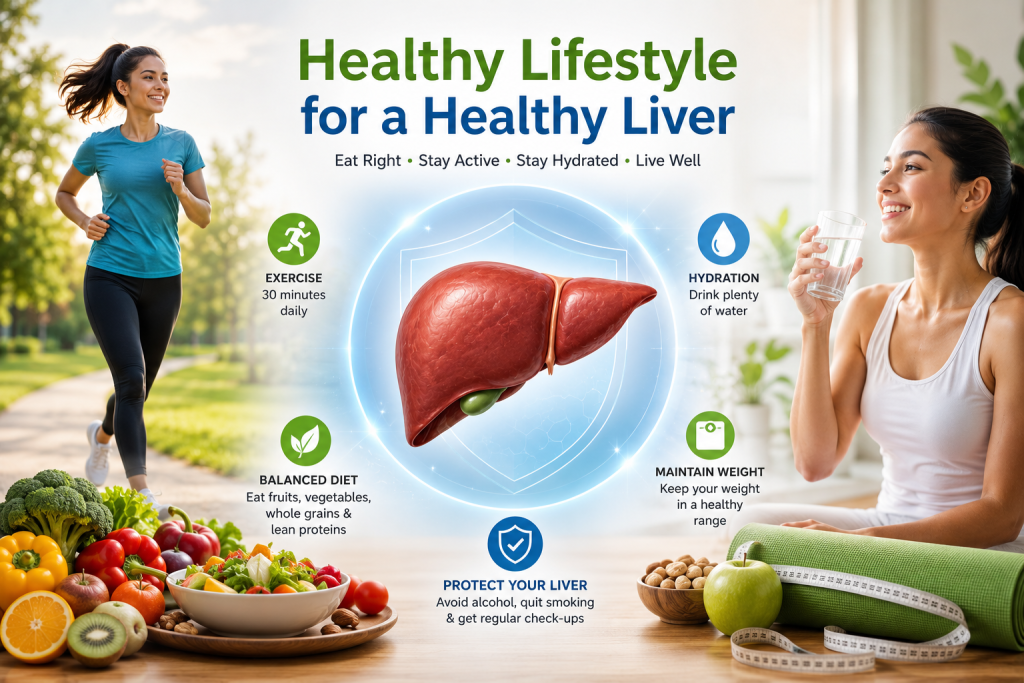
Maintain a Healthy Weight
Excess body weight increases the risk of fatty liver disease.
Exercise Regularly
Aim for at least 150 minutes of moderate physical activity weekly.
Eat a Balanced Diet
Include:
- Fruits
- Vegetables
- Whole grains
- Lean proteins
Limit:
- Sugary beverages
- Processed foods
- Excessive fats
Avoid Excess Alcohol
Moderation is essential for protecting liver health.
Get Vaccinated
Vaccines are available for Hepatitis A and Hepatitis B.
Regular Health Checkups
Routine screening can help identify liver issues before symptoms appear.
When Should You See a Doctor?
Consult a healthcare professional if you experience:
- Persistent fatigue
- Yellowing of the eyes or skin
- Ongoing digestive issues
- Unexplained weight loss
- Dark urine
- Abdominal discomfort
Early intervention often leads to better outcomes.
For individuals seeking care from a Best Gastroenterologist in Ranchi, timely evaluation can help diagnose and manage liver conditions effectively.
Frequently Asked Questions
1. What is usually the first sign of liver disease?
Persistent fatigue, reduced appetite, and digestive discomfort are among the earliest symptoms.
2. Can liver disease be reversed?
Many liver conditions, especially fatty liver disease, can improve significantly when detected and treated early.
3. Does liver disease always cause pain?
No. Many people have liver disease without noticeable pain, particularly during the early stages.
5. How often should liver function tests be performed?
The frequency depends on individual risk factors and medical history. Your doctor can recommend an appropriate schedule.
6. Is jaundice always caused by liver disease?
Not always. However, jaundice is a common sign of liver and bile duct disorders.
7. Can liver disease affect digestion?
Yes. The liver helps process nutrients and supports digestion, so liver disorders can cause digestive symptoms
Key Takeaways
- Liver disease often develops silently.
- Fatigue, poor appetite, nausea, and weight loss can be early warning signs.
- Jaundice, dark urine, and itching should never be ignored.
- Early diagnosis improves treatment outcomes.
- Healthy lifestyle habits play a major role in liver protection.
- Regular checkups help detect liver disease before complications develop.
Conclusion
The liver performs countless essential functions that support overall health. Unfortunately, liver disease can progress quietly, making early recognition especially important. Symptoms such as fatigue, appetite changes, abdominal discomfort, jaundice, and unexplained weight loss may seem minor at first, but they can signal underlying liver problems.
By recognizing these warning signs and seeking medical advice promptly, patients can improve their chances of successful treatment and prevent serious complications.
If you are experiencing digestive problems, liver disorders, abdominal pain, acidity, jaundice, gallbladder stones, or require ERCP consultation, schedule an appointment with Dr. Chandan Kumar Yadav, one of the leading Gastroenterologists and ERCP Specialists in Ranchi.
