
Recovery After ERCP is usually smooth for most patients, with many returning to their normal routine within a day or two. ERCP (Endoscopic Retrograde Cholangiopancreatography) is an advanced procedure used to diagnose and treat conditions affecting the bile ducts, pancreas, and gallbladder. Knowing what to expect during recovery, which symptoms are normal, and when to seek medical attention can help you heal safely and confidently.
If you are scheduled for an ERCP or have recently undergone the procedure, it’s natural to wonder what recovery will be like. The good news is that most patients recover well within a short period, especially when they follow their doctor’s advice. Understanding what to expect after ERCP can help you recover comfortably and recognize when medical attention may be needed.
What Happens Immediately After an ERCP?
After the procedure, you will be moved to a recovery area where healthcare professionals will monitor your blood pressure, pulse, oxygen levels, and overall condition until the effects of sedation begin to wear off.
Because ERCP is usually performed under sedation, you may feel sleepy, slightly dizzy, or have a mild sore throat. These effects generally improve within a few hours. Most patients can return home the same day, although some may need to stay overnight if the procedure was complex or if observation is required.
Since sedation affects alertness, you should arrange for a family member or friend to accompany you home and avoid driving for at least 24 hours.
How Long Does Recovery Take?
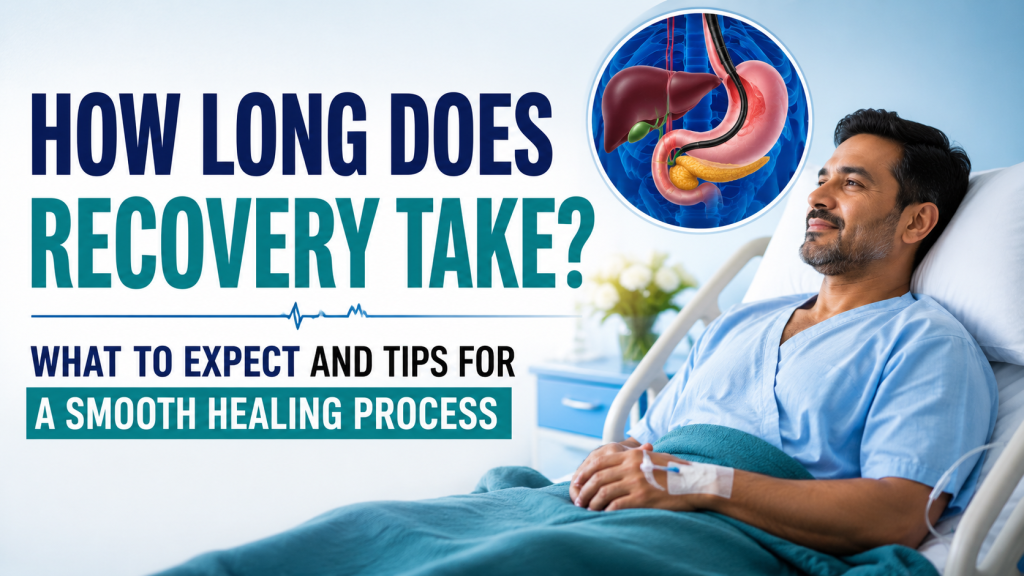
Recovery after ERCP varies from person to person and depends on why the procedure was performed.
- Most people feel significantly better within 24 to 48 hours.
- If only diagnostic evaluation was performed, recovery is often quicker.
- If treatments such as stone removal, stent placement, or other therapeutic interventions were carried out, recovery may take a little longer.
- Patients who develop complications may require additional treatment and monitoring.
Your doctor will provide specific guidance based on your condition and the procedure performed.
Common Symptoms After ERCP
It is normal to experience mild discomfort for a short period after the procedure. Common temporary symptoms include:
- Mild sore throat
- Bloating from the air used during the procedure
- Mild abdominal discomfort
- Gas
- Sleepiness due to sedation
- Mild nausea
These symptoms usually improve within a day or two. However, worsening pain or persistent symptoms should be evaluated by a doctor.
Recovery Tips After ERCP
1. Rest During the First 24 Hours
Allow your body time to recover from both the procedure and the sedation. Avoid strenuous exercise, heavy lifting, and physically demanding activities for at least one day or as advised by your doctor.
2. Follow Your Doctor’s Instructions
Take all prescribed medications exactly as directed. If antibiotics, pain medications, or other medicines have been prescribed, complete the recommended course.
Do not stop or restart any regular medications without consulting your healthcare provider.
3. Eat Light Meals Initially
Your doctor may recommend starting with clear liquids or soft foods before returning to your normal diet.
Good options include:
- Soup
- Rice
- Khichdi
- Yogurt (if tolerated)
- Toast
- Bananas
- Cooked vegetables
Drink plenty of water to stay hydrated unless your doctor advises otherwise.
4. Avoid Alcohol and Smoking
Alcohol and smoking can delay healing and may worsen irritation of the digestive system. Avoid them during your recovery period.
5. Return to Daily Activities Gradually
Most patients can return to normal daily activities within one or two days. However, avoid driving, operating heavy machinery, or making important decisions for at least 24 hours after sedation.
If your work involves heavy physical activity, ask your doctor when it is safe to resume.
Foods to Eat After ERCP
Choosing gentle, nutritious foods can support recovery.
Recommended foods include:
- Clear soups
- Soft rice
- Oatmeal
- Whole grains
- Fresh fruits
- Steamed vegetables
- Lean chicken or fish
- Plenty of fluids
Temporarily avoid:
- Spicy foods
- Fried foods
- Very oily meals
- Alcohol
- Heavy or oversized meals
Follow any additional dietary instructions provided by your doctor, especially if the ERCP was performed for pancreatitis or bile duct disease.
Possible Side Effects and Complications
Although ERCP is generally safe, complications can occur in a small number of patients.
Possible complications include:
- Pancreatitis (inflammation of the pancreas)
- Infection of the bile ducts
- Bleeding
- Perforation (a tear in the digestive tract)
- Reaction to sedative medications
Your medical team takes several precautions to minimize these risks.
Warning Signs That Require Immediate Medical Attention
Contact your doctor or seek emergency medical care immediately if you experience:
- Severe or worsening abdominal pain
- Persistent vomiting
- Fever or chills
- Vomiting blood
- Black or tarry stools
- Yellowing of the eyes or skin
- Difficulty breathing
- Chest pain
- Severe dizziness or fainting
Prompt evaluation is important because these symptoms may indicate a complication requiring urgent treatment.
When Can You Return to Normal Activities?
Most patients can:
- Walk the same day after recovery from sedation.
- Return to desk work within one or two days if they feel well.
- Resume light exercise after medical approval.
- Drive after 24 hours, provided the effects of sedation have completely worn off.
- Resume heavy lifting only when advised by their doctor.
Always follow the specific instructions given after your procedure.
Importance of Follow-Up Care
Follow-up appointments help ensure your recovery is progressing well.
During follow-up visits, your doctor may:
- Review biopsy or laboratory results.
- Check whether symptoms have improved.
- Discuss medications.
- Schedule stent removal or replacement if one was placed.
- Recommend additional tests or imaging if necessary.
Keeping your follow-up appointments is an important part of successful recovery.
Tips for a Smooth Recovery

You can support healing by:
- Getting enough rest.
- Eating a balanced, healthy diet.
- Drinking adequate fluids.
- Taking medications as prescribed.
- Avoiding smoking and alcohol.
- Watching for warning signs.
- Following all medical instructions carefully.
Frequently Asked Questions
Is mild pain normal after ERCP?
Yes. Mild throat irritation, bloating, and slight abdominal discomfort are common and usually improve within 24 to 48 hours.
How many days does recovery take?
Most patients recover within one to two days, although recovery may take longer after therapeutic ERCP or if complications occur.
What foods should I eat after ERCP?
Start with light, easy-to-digest foods and gradually return to your normal diet based on your doctor’s recommendations.
Can I go to work the next day?
Many people can return to office work within one or two days if they feel well. Those with physically demanding jobs may need additional recovery time.
When should I call my doctor?
Seek medical advice immediately if you develop severe pain, fever, persistent vomiting, bleeding, difficulty breathing, or jaundice.
Conclusion
Recovery after ERCP is usually smooth, and most patients return to their normal routine within a few days. Mild symptoms such as bloating, sore throat, or slight abdominal discomfort are common and generally resolve quickly. Following your doctor’s instructions, eating a balanced diet, staying hydrated, and allowing your body adequate rest can help promote healing and reduce the risk of complications.
If you have persistent symptoms, severe pain, fever, or any warning signs after the procedure, do not delay seeking medical attention. Early evaluation can help identify and treat complications promptly.
If you are looking for expert ERCP care, follow-up treatment, or evaluation for bile duct, pancreas, or digestive disorders, consult Dr. Chandan Kumar Yadav, an experienced gastroenterologist and ERCP specialist in Ranchi. Timely care and personalized treatment can help you recover safely and maintain long-term digestive health.
